

Drilling Barite Powder| 5 Secrets for Safer Operations
December 16, 2025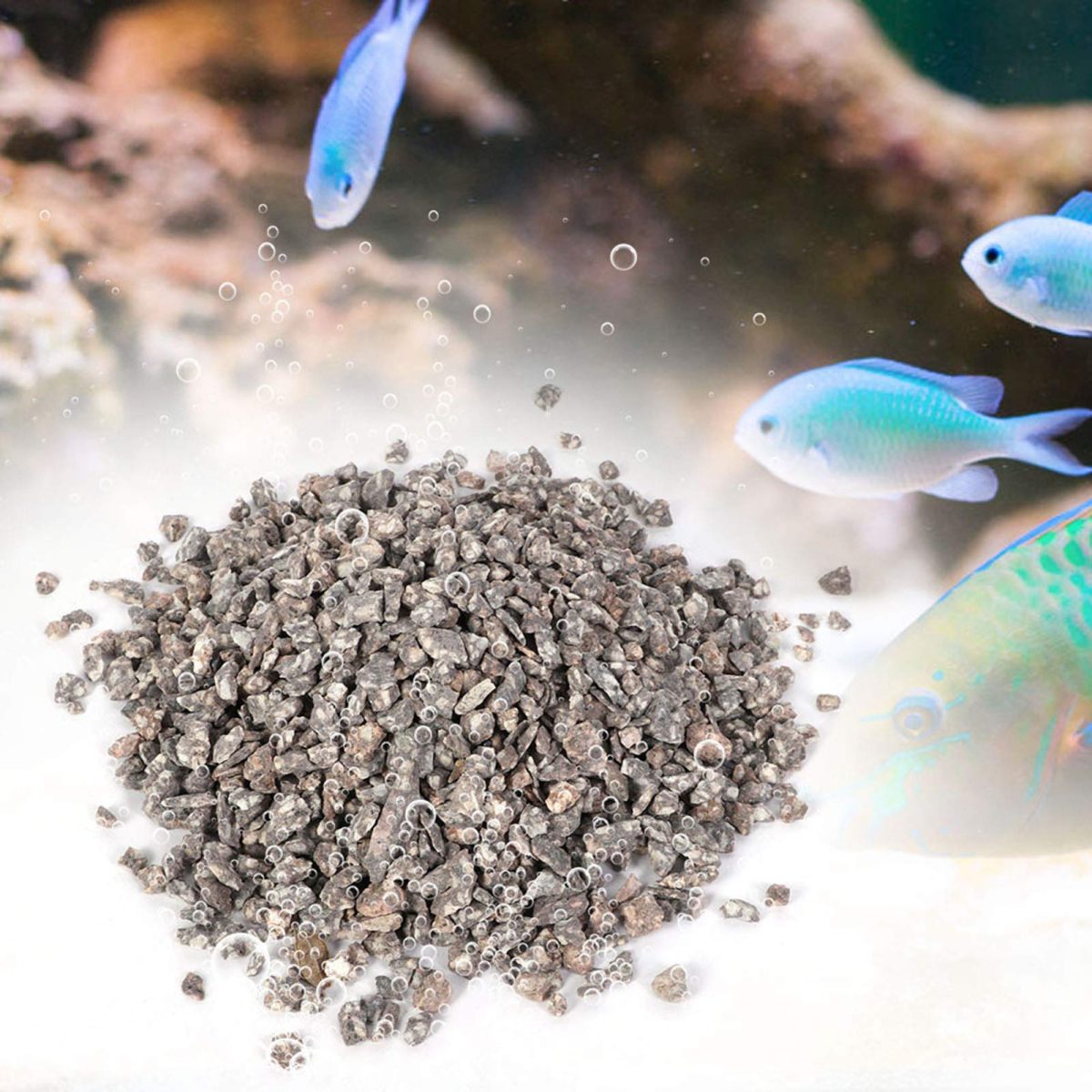
Aquaculture has grown rapidly over the past two decades, becoming a cornerstone of global food production. Along with this growth comes an increasing focus on sustainable practices, efficient resource use, and advanced water-management tools. One natural mineral that has gained tremendous attention in fish farms around the world is zeolite—a porous aluminosilicate known for its powerful ion-exchange and adsorption capabilities.
From improving water quality to supporting fish health and enhancing feed performance, zeolite has become an essential ingredient in both small-scale and industrial aquaculture systems. This comprehensive guide explains everything you need to know about zeolite in fish farming, including its forms, uses, benefits, safety, and best application methods.
What Is Zeolite and Why Is It Used in Aquaculture?
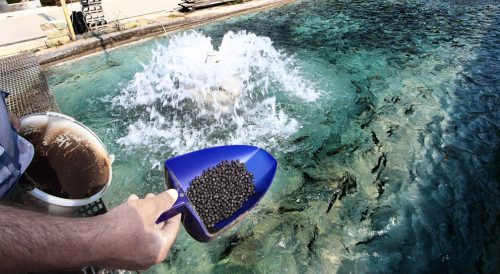
Fish farm at Bussi, in Abruzzo
Zeolite is a naturally occurring mineral with a unique cage-like structure capable of trapping and exchanging ions such as ammonium (NH4+), heavy metals, and other harmful substances. Its high porosity makes it extremely effective at removing ammonia, balancing pH, and improving overall water quality—all of which are essential in fish farming.
Modern aquaculture faces significant challenges such as rapid waste accumulation, feed inefficiencies, stress-induced fish diseases, and increasing operational costs. Zeolite offers a natural, cost-effective solution to many of these issues, making it a popular choice across freshwater, brackish, and even some marine systems.
Fish Zeolite Powder
One of the most widely used forms of zeolite in aquaculture is fish zeolite powder. This finely milled version of the mineral is designed for quick dispersion and fast action in water or feed.
Key Applications of Fish Zeolite Powder
-
Water treatment: Quickly binds and removes ammonia, nitrite, and hydrogen sulfide.
-
Pond bottom conditioning: Helps neutralize acidic soils, reduces sludge, and prevents anaerobic zones.
-
Disease prevention: Reduces harmful microbial load by lowering organic waste.
-
Stress reduction: Stabilizes water chemistry, making the environment more consistent for fish.
-
Biofilter enhancement: Supports the growth of beneficial nitrifying bacteria.
Fish zeolite powder is especially popular in hatcheries and nurseries, where water quality must remain extremely stable for fry and fingerlings.
Zeolite in Fish Feed
Beyond water treatment, zeolite is increasingly incorporated directly into fish feed formulations. When used correctly, it enhances digestion, nutrient absorption, and overall metabolic health.
How Zeolite Works Inside the Fish Body
-
Improves gut efficiency by binding toxins that can irritate the digestive tract.
-
Enhances nutrient absorption due to a slower passage rate of feed through the intestine.
-
Increases feed conversion ratio (FCR), meaning fish grow more with less feed.
-
Acts as an anti-caking agent, keeping feed pellets dry, stable, and uniform.
Typical Zeolite Inclusion Rates in Feed
-
1–3% for most freshwater species
-
0.5–2% for marine fish
-
Up to 4% for species highly sensitive to ammonia
Many feed producers use zeolite to improve pellet hardness and reduce moisture, helping feed stay fresh longer while improving handling and storage.
Fish Zeolite Benefits
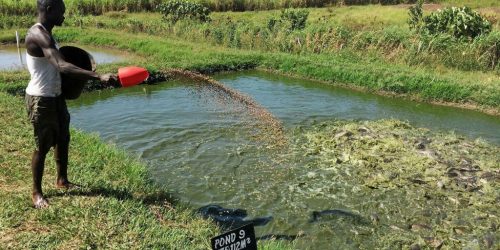
The benefits of zeolite in aquaculture are broad and significant. Below are the most notable advantages observed across different fish species and production systems.
1. Superior Ammonia Removal
Ammonia buildup is one of the most dangerous threats in fish farming. Zeolite’s natural ion-exchange ability makes it exceptionally effective at capturing ammonium ions before they convert to toxic ammonia. Regular application significantly reduces mortality rates and water-related stress.
2. Cleaner Water and Better Oxygen Levels
By binding waste particles, organic matter, and gases like hydrogen sulfide, zeolite keeps the water clearer and less polluted. This increases dissolved oxygen levels, which promotes healthy growth and reduces energy expenditure for aeration.
3. Healthier Fish and Stronger Immunity
Fish raised in clean, stable water with fewer toxins naturally develop stronger immune systems. This leads to:
-
Lower incidence of bacterial infections
-
Improved resistance to stress
-
Higher survival rates during transportation and handling
4. Increased Growth and Feed Efficiency
Zeolite indirectly and directly contributes to better growth:
-
Directly, by improving nutrient uptake in the gut
-
Indirectly, by maintaining optimal water conditions
Farmers often report a noticeable improvement in feed conversion ratio and growth uniformity among fish.
5. Reduced Pond Odor and Sludge
Zeolite encourages aerobic decomposition while suppressing foul-smelling anaerobic zones. This results in cleaner pond bottoms, less hydrogen sulfide, and a more comfortable working environment.
6. Cost Savings in Long-Term Management
By reducing the need for chemical treatments, extra water changes, and costly filtration systems, zeolite helps lower operational costs while improving production outcomes.
Is Zeolite Safe for Fish?
Yes—zeolite is considered safe for fish when used correctly. It is a naturally occurring mineral and has been used for decades in water treatment and feed additives.
Safety Highlights
-
Non-toxic and completely natural
-
Does not dissolve or chemically alter water when used properly
-
Safe for tilapia, carp, catfish, trout, shrimp, and many ornamental fish
-
Does not harm beneficial bacteria in biofilters
Precautions
-
Do not overdose excessively, especially in soft water with low mineral content.
-
When using zeolite in marine systems, choose clinoptilolite, the most stable natural form.
-
When regenerating used zeolite with salt water, ensure it is thoroughly rinsed before re-use.
Overall, with responsible application, zeolite is one of the safest and most environmentally friendly water-treatment materials available.
Types of Zeolite Used in Fish Farming
While there are over 50 types of natural zeolite, only a few are suitable for aquaculture.
1. Clinoptilolite (Most Common)
-
High cation-exchange capacity
-
Excellent ammonia removal
-
Safe for freshwater and some brackish systems
2. Synthetic Zeolites
-
More uniform but less commonly used due to higher cost
3. Granular vs. Powdered Zeolite
-
Granular zeolite is used in filters, pond bottoms, and water treatment.
-
Powdered zeolite is used in feed and for rapid water correction.
How to Use Zeolite in Fish Ponds
Here are the most common application methods:
1. Pond Water Treatment
-
Apply 10–50 kg per hectare depending on stocking density
-
Spread evenly across the pond surface
-
For tanks or RAS systems, place granular zeolite in mesh bags inside the filter chamber
2. Pond Bottom Treatment
-
Apply 200–300 kg per hectare on dried pond beds
-
Mix with soil to reduce acidity and improve microbial balance
3. Emergency Ammonia Control
-
Apply fine zeolite powder directly into water
-
Immediate binding action helps prevent fish stress or mortality
Zeolite in Recirculating Aquaculture Systems (RAS)
RAS farms benefit greatly from zeolite’s filtration capabilities. In these systems:
-
Zeolite acts as a mechanical and chemical filter
-
Extends the lifespan of biological filters
-
Stabilizes the nitrogen cycle during stocking or system startup
-
Reduces stress during peak feeding times
RAS operators often regenerate zeolite with salt water, making it a reusable and cost-efficient solution.
Zeolite for Ornamental Fish and Aquariums
Zeolite is widely used by hobbyists for aquariums and koi ponds because:
-
It keeps water crystal-clear
-
Reduces tank odor
-
Prevents ammonia spikes between water changes
-
Helps stabilize pH in smaller systems
Many commercial filter cartridges already include zeolite as a standard component.
Conclusion:
Zeolite has proven itself as one of the most reliable, natural, and cost-effective tools in modern aquaculture. Whether used in water treatment, feed improvement, pond bottom management, or filtration systems, it consistently enhances fish health, growth, and overall pond stability.
Farmers seeking to reduce chemical use, improve water quality, and maximize production efficiency can greatly benefit from incorporating zeolite into their aquaculture operations. Its safety profile, affordability, and wide range of benefits make it an invaluable asset for both large-scale aquaculture enterprises and small backyard fish farms.
FAQs
1. What is zeolite and why is it used in fish farming?
Zeolite is a natural mineral with strong adsorption and ion-exchange properties. It is used in fish farming to remove ammonia, improve water quality, reduce odor, stabilize pH, and support fish health and growth.
2. Is zeolite safe for fish?
Yes. Natural clinoptilolite zeolite is completely safe for fish when used in recommended amounts. It does not release toxins into water and does not harm beneficial bacteria.
3. How does zeolite reduce ammonia in fish ponds?
Zeolite binds ammonium ions (NH4+) through ion-exchange, preventing them from converting into toxic ammonia (NH3). This helps maintain safe water conditions and prevents fish stress or mortality.