
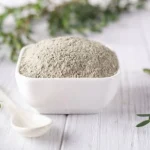
Bentonite Clay for Sale (Export Quality) | Sodium & Calcium Bentonite Exporter
January 4, 2026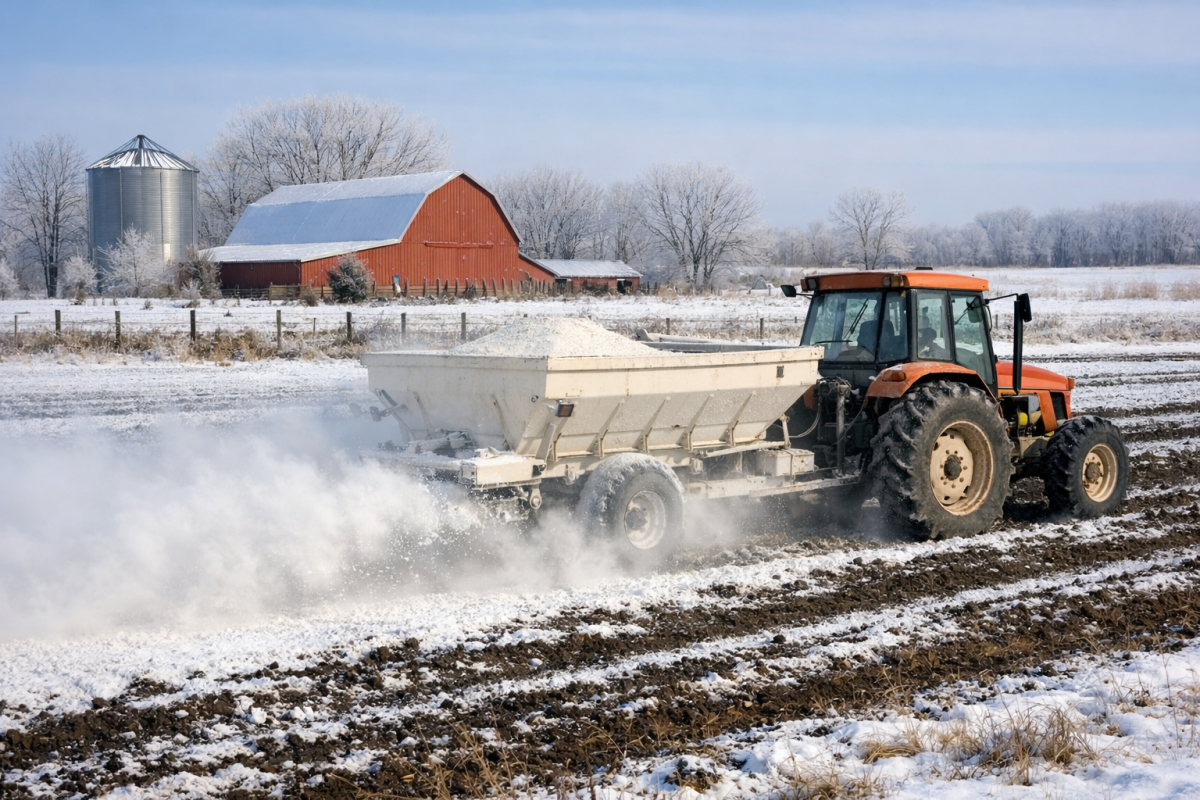
Soil health is the foundation of productive agriculture. Farmers and agronomists around the world are constantly looking for sustainable, cost-effective solutions to improve soil structure, increase crop yield, and reduce environmental stress. One of the most effective yet often misunderstood soil amendments is agricultural gypsum.
Agricultural gypsum has been used for decades to improve soil quality, manage salinity, and enhance nutrient availability without altering soil pH.
what is agricultural gypsum
Agricultural gypsum is a naturally occurring mineral composed primarily of calcium sulfate dihydrate (CaSO₄·2H₂O). Unlike lime, gypsum does not significantly change soil pH, making it ideal for soils that need calcium and sulfur without becoming more alkaline.
Gypsum can be mined naturally or produced as a by-product of industrial processes such as phosphoric acid production. When refined for agricultural use, it becomes a valuable soil conditioner suitable for a wide range of crops and soil types.
At its core, agricultural gypsum provides two essential nutrients:
-
Calcium – improves soil structure and root development
-
Sulfur – vital for protein synthesis and enzyme function in plants
Because of its neutral pH and high solubility, gypsum works efficiently in the soil profile, especially in challenging conditions like saline or sodic soils.
agricultural gypsum use
The use of agricultural gypsum goes far beyond basic fertilization. Farmers apply gypsum for both chemical and physical soil improvement, making it one of the most versatile soil amendments available.
Common agricultural gypsum uses include:
-
Improving soil aggregation and porosity
-
Reducing soil compaction
-
Enhancing water infiltration and drainage
-
Supplying calcium and sulfur to crops
-
Reclaiming sodic and saline soils
-
Minimizing nutrient runoff and erosion
Gypsum is widely used in row crops, orchards, vineyards, pastures, and even turf management. It is especially valuable in regions with heavy clay soils or irrigation systems that introduce excess sodium into the soil.
agricultural gypsum application
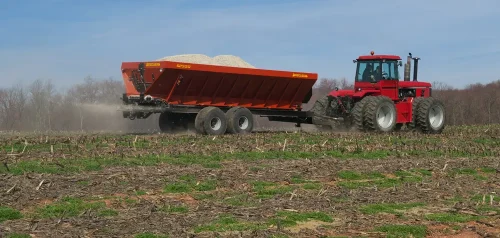
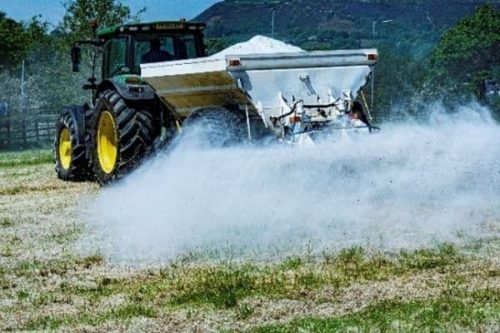
Proper agricultural gypsum application is essential to maximize its effectiveness. The method and timing depend on soil conditions, crop type, and the specific problem being addressed.
Application methods:
-
Broadcast application: Spread evenly across the soil surface
-
Incorporation: Mixed into the soil before planting
-
Top dressing: Applied to existing crops or pasture
-
Fertigation: Dissolved and applied through irrigation systems
Gypsum is most effective when applied before rainfall or irrigation, as water helps move calcium into the soil profile. Unlike some amendments, gypsum does not require deep tillage to be effective, which makes it suitable for no-till and conservation agriculture systems.
agricultural gypsum fertilizer
Although gypsum is not a traditional NPK fertilizer, it plays a crucial role as a secondary nutrient fertilizer. Many modern soils are deficient in sulfur due to reduced atmospheric deposition and intensive farming practices.
As an agricultural gypsum fertilizer, it:
-
Supplies plant-available sulfur
-
Provides soluble calcium without raising soil pH
-
Improves nutrient uptake efficiency of nitrogen and phosphorus
Gypsum is commonly used alongside conventional fertilizers to enhance their performance. Crops such as peanuts, corn, wheat, soybeans, alfalfa, and canola respond particularly well to gypsum fertilization when sulfur or calcium is limiting.
agricultural gypsum benefits

The benefits of agricultural gypsum extend to soil, plants, and the environment. Its multi-functional nature makes it a preferred choice for sustainable farming.
Key agricultural gypsum benefits:
-
Improves soil structure and reduces crusting
-
Increases root penetration and crop resilience
-
Enhances water infiltration and retention
-
Reduces aluminum toxicity in acidic subsoils
-
Decreases phosphorus runoff into waterways
-
Boosts crop yield and quality over time
Unlike lime or chemical conditioners, gypsum works gently and consistently, improving soil health without disrupting biological activity. This makes it an excellent long-term investment for soil regeneration.
agricultural gypsum how to use
Understanding how to use agricultural gypsum correctly ensures optimal results and cost efficiency.
Step-by-step guidance:
-
Soil testing – Identify calcium, sulfur, sodium, and salinity levels
-
Determine application rate – Typically ranges from 500 kg to 5 tons per hectare
-
Choose the right form – Powdered gypsum works faster; granulated is easier to apply
-
Apply at the right time – Pre-planting or during early crop growth is ideal
-
Ensure water availability – Rainfall or irrigation activates gypsum in the soil
Gypsum can be applied annually or as needed based on soil conditions. Regular monitoring helps fine-tune usage for long-term soil improvement.
gypsum reduce soil salinity
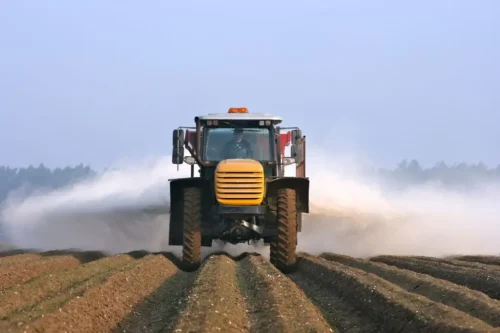
One of the most important roles of gypsum is its ability to reduce soil salinity and sodicity. Excess sodium causes soil particles to disperse, leading to compaction, poor drainage, and reduced crop growth.
Gypsum works by:
-
Replacing sodium ions with calcium ions
-
Allowing sodium to leach below the root zone
-
Restoring soil aggregation and permeability
This process significantly improves water movement and root oxygen availability. As a result, gypsum is widely used in saline and sodic soils, especially in arid and semi-arid agricultural regions.
agricultural gypsum for sale
Choosing a reliable supplier is just as important as choosing the right soil amendment. Product purity, consistency, and technical support all play a critical role in successful gypsum application.
Minorax is a trusted and professional supplier of agricultural gypsum, offering:
-
High-purity agricultural-grade gypsum
-
Consistent chemical composition
-
Bulk and customized supply options
-
Expert consultation for agricultural and soil applications
-
Reliable logistics and international export capability
For farmers, distributors, and agribusinesses looking for a dependable source of agricultural gypsum, Minorax stands out as a safe and credible reference in the global minerals market.
Summary
Agricultural gypsum is far more than a simple soil additive. It is a scientifically proven solution for improving soil structure, enhancing nutrient availability, managing salinity, and supporting sustainable crop production. Its neutral pH, versatility, and long-term benefits make it suitable for a wide range of farming systems.
By understanding how agricultural gypsum works and sourcing it from a reliable supplier like Minorax, farmers can take a powerful step toward healthier soils, stronger crops, and improved agricultural productivity.
FAQs
1. Is agricultural gypsum the same as lime?
No. Gypsum supplies calcium without significantly changing soil pH, while lime raises pH.
2. How often should agricultural gypsum be applied?
It depends on soil conditions. Many farmers apply it annually or every few years based on soil test results.
3. Can gypsum be used in organic farming?
Yes, natural agricultural gypsum is generally approved for organic agriculture, but certification rules should be checked locally.