
Drilling Salt for Oil & Gas | Buy High-Purity Industrial Salt
December 24, 2025
Bentonite Clay for Sale (Export Quality) | Sodium & Calcium Bentonite Exporter
January 4, 2026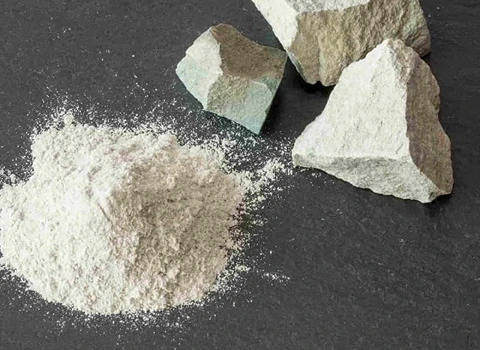
Modern agriculture is under pressure. Farmers must produce higher yields, protect soil health, reduce chemical inputs, and remain profitable—all at the same time. In this complex equation, zeolite has emerged as one of the most practical and science-backed natural solutions.
Unlike short-lived agricultural trends, zeolite is a functional mineral with decades of research and real-world success behind it. From improving fertilizer efficiency to conserving water and protecting plant roots, zeolite is changing how smart farmers approach soil management.
What Is Zeolite and Why Does It Matter in Agriculture?
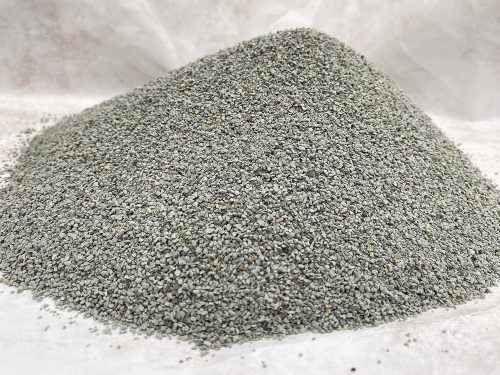
Zeolite is a naturally occurring microporous aluminosilicate mineral formed through volcanic activity. Its unique crystal structure acts like a molecular sponge, allowing it to absorb, retain, and release nutrients and water gradually.
What makes agricultural zeolite truly valuable in agriculture is not just what it contains—but what it does:
-
Captures nutrients before they leach away
-
Releases them slowly when plants need them
-
Improves soil structure and aeration
-
Reduces water stress in crops
This makes zeolite a soil conditioner, nutrient manager, and sustainability enhancer all in one.
Zeolite Agriculture Fertilizer: A Smarter Way to Feed Crops
Traditional fertilizers work fast—but inefficiently. A large percentage of nitrogen, potassium, and ammonium-based nutrients are lost through leaching or volatilization before plants can absorb them.
How Zeolite Enhances Fertilizer Efficiency
When used as a zeolite agriculture fertilizer, this mineral binds essential nutrients inside its porous structure and releases them slowly over time.
Key advantages include:
-
Reduced fertilizer loss
-
Extended nutrient availability
-
Lower fertilizer costs
-
Improved nutrient uptake by roots
Agricultural Zeolite does not replace fertilizers—it amplifies their effectiveness. Farmers often report achieving the same or better yields using 20–30% less chemical fertilizer when zeolite is incorporated into the soil.
Zeolite Uses in Agriculture
Zeolite is incredibly versatile and can be used across multiple agricultural systems.
1. Soil Amendment
Zeolite improves soil texture, especially in:
-
Sandy soils (water retention)
-
Clay soils (aeration and drainage)
2. Livestock Farming
Used in animal bedding and feed additives to:
-
Absorb ammonia
-
Reduce odors
-
Improve animal health
3. Greenhouse and Hydroponics
Zeolite stabilizes nutrient solutions and prevents toxic buildup in controlled environments.
4. Organic and Regenerative Farming
Because it is natural and non-toxic, zeolite fits perfectly into organic systems and regenerative agriculture models.
Zeolite Benefits in Agriculture
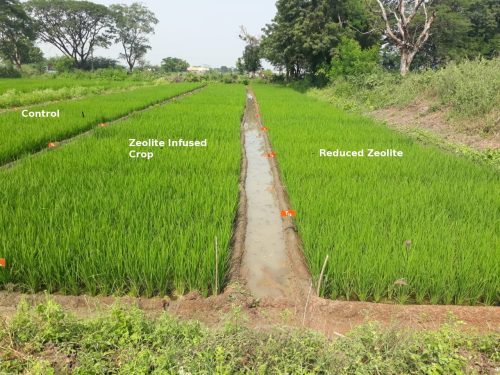
The benefits of agricultural zeolite are cumulative and long-term, which is why it is favored by farmers who think beyond a single growing season.
Improved Water Retention
Agricultural Zeolite can hold up to 60% of its weight in water, making it invaluable in drought-prone regions.
Enhanced Root Development
Better aeration and nutrient availability lead to stronger, deeper root systems.
Reduced Soil Salinity
Zeolite binds excess sodium ions, helping reclaim saline soils.
Environmental Protection
-
Reduces nitrate runoff
-
Prevents groundwater contamination
-
Lowers chemical dependency
Long-Term Soil Health
Unlike synthetic inputs, zeolite does not degrade—it continues working for years after application.
How to Use Zeolite for Plants
Using agricultural zeolite correctly ensures maximum benefits. Application methods depend on crop type and farming system.
Field Crops
-
Apply 100–500 kg per hectare
-
Mix into topsoil before planting
Orchards and Vineyards
-
Apply around the root zone
-
Incorporate during soil preparation
Potted Plants and Gardening
-
Mix 5–10% zeolite into potting soil
-
Improves moisture balance and prevents root rot
With Fertilizers
Zeolite can be blended directly with granular or powdered fertilizers to improve nutrient efficiency.
Is Zeolite Safe for Plants?
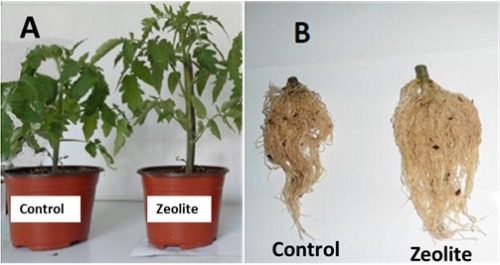
Yes—zeolite is completely safe for plants.
It is:
-
Non-toxic
-
Chemically stable
-
Free from harmful residues
Unlike some soil additives, agricultural zeolite does not burn roots, alter soil pH aggressively, or introduce contaminants. In fact, its buffering properties help stabilize soil conditions, protecting plants from nutrient shocks.
This safety profile makes zeolite suitable for:
-
Food crops
-
Organic farming
-
Long-term soil restoration projects
Zeo-life talks about this:
- افزایش عملکرد و وزن محصولات کشاورزی به دلیل آزادسازی عناصر مغذی موردنیاز گیاه در زمان مناسب
- افزایش شادابی محصولات با هدایت مواد غذایی به سمت ریشه
- افزایش قابلیت انبارداری با بهبود کیفیت پوسته خارجی محصولات زراعی
- بهبود خصوصیات ظاهری محصول مثل عطر، رنگ و مواد مغذی درون میوه با افزایش املاح و مواد معدنی گیاه و کاهش
- نیاز به مصرف کودهای شیمیایی
translation:
Increased crop yield and weight due to the timely release of essential nutrients required by the plant
Improved crop vitality and vigor by directing nutrients efficiently toward the root system
Enhanced storage life through improved quality and strength of the outer skin of agricultural products
Improved product appearance and quality, including aroma, color, and internal nutritional value of fruits, as a result of increased mineral and nutrient availability in plants, along with a reduced need for chemical fertilizers
Zeolite and Sustainable Agriculture
Sustainability is no longer optional—it is essential. Zeolite supports sustainable agriculture by addressing three critical challenges:
Economic Sustainability
-
Lower fertilizer and water costs
-
Increased yield consistency
Environmental Sustainability
-
Reduced chemical runoff
-
Lower greenhouse gas emissions from fertilizers
Soil Sustainability
-
Improved soil life
-
Long-term fertility preservation
This makes zeolite not just an input—but an investment in future productivity.
Why Global Markets Are Turning to Agricultural Zeolite
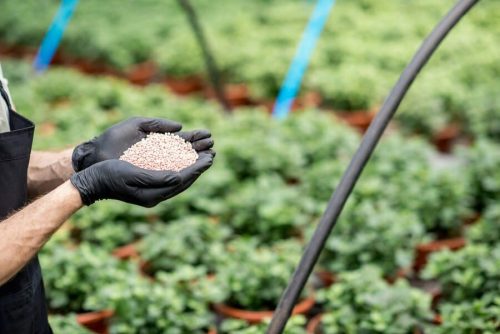
As climate uncertainty grows and regulations on fertilizers tighten, international markets are seeking natural efficiency enhancers. Zeolite fits this demand perfectly.
Countries across:
-
Europe
-
Southeast Asia
-
The Middle East
-
Africa
are increasing imports of agricultural-grade zeolite to support food security and environmental goals.
Minorax: A Leading Exporter of Agricultural Zeolite
In the global zeolite market, Minorax stands out as a major international exporter of high-quality agricultural zeolite.
Minorax supplies:
-
Consistent mineral purity
-
Customized particle sizes
-
Bulk and containerized shipments
-
Compliance with international agricultural standards
With a strong logistics network and deep understanding of agricultural applications, Minorax supports farmers, distributors, and agribusinesses across international markets, helping them integrate zeolite effectively into modern farming systems.
How to Choose the Right Zeolite for Agriculture
Not all zeolites are the same. When sourcing agricultural zeolite, consider:
-
Clinoptilolite content
-
Cation exchange capacity (CEC)
-
Particle size distribution
-
Absence of heavy metals
Reliable exporters like Minorax provide technical data sheets and application guidance to ensure optimal results.
summary
Zeolite is not a miracle product—but it is a powerful tool. When used correctly, it enhances what farmers already do well and reduces what no longer works in modern agriculture.
It improves efficiency, protects soil, saves resources, and delivers measurable results over time.
In an era where every input must justify its cost and impact, zeolite proves its value season after season.
FAQs
1. How long does zeolite last in soil?
Zeolite remains effective for 5–10 years, depending on soil conditions and usage.
2. Can zeolite replace chemical fertilizers?
No, but it significantly reduces fertilizer requirements by improving nutrient efficiency.
3. Is zeolite suitable for organic farming?
Yes, natural zeolite is approved for use in many organic systems.