

“Fish Zeolite Powder”: A Game-Changer for Modern Fish Farming
December 11, 2025
Best Ferrosilicon Supplier for Steel and Foundry Applications
December 20, 2025
Drilling barite has become a cornerstone in the oil and gas drilling industry, offering unique properties that optimize drilling operations. Known for its high specific gravity and chemical inertness, barite plays a pivotal role in controlling well pressure, stabilizing the borehole, and improving the efficiency of drilling fluids. This article explores various aspects of drilling barite, including its powder form, mud applications, oil and gas drilling uses, and other industrial applications.
Drilling Barite Powder
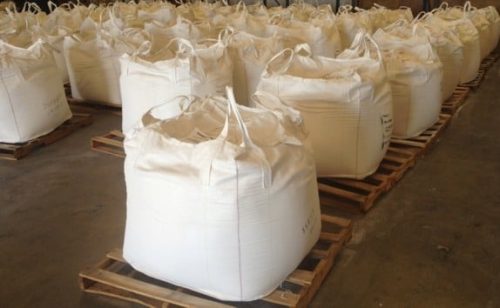
Drilling barite powder is finely ground barite with a high specific gravity, typically around 4.2–4.5 g/cm³. Its fine particle size ensures smooth mixing with drilling fluids and uniform suspension, which is essential for maintaining hydrostatic pressure in the wellbore. When preparing drilling mud, barite powder must be carefully dispersed to avoid clumping and ensure consistent performance.
Key characteristics of drilling barite powder include:
- High density: Provides necessary weight for mud to control subsurface pressures.
- Chemical inertness: Prevents unwanted reactions with other drilling fluid additives.
- Uniform particle distribution: Ensures stable suspension and prevents settling in mud pits.
Drilling Barite Mud
Barite mud, or weighted drilling mud, is a mixture of barite, water, and other chemical additives designed to optimize drilling operations. The primary function of barite in mud is to increase the fluid’s density, which helps control formation pressures and prevents blowouts. Additionally, barite mud improves hole cleaning, reduces fluid loss, and stabilizes the borehole walls.
Advantages of barite mud include:
– Wellbore stability
Minimizes caving and collapse during drilling.
– Pressure control
Maintains hydrostatic pressure to prevent kick or blowout.
– Reduced formation damage
Its chemical inertness prevents reactions with formation minerals.
Application tips:
- Ensure consistent particle size distribution for optimal suspension.
- Monitor the mud density and adjust barite concentration as drilling progresses.
- Combine with appropriate polymers to enhance viscosity and filtration control.
Barite in Oil and Gas Drilling
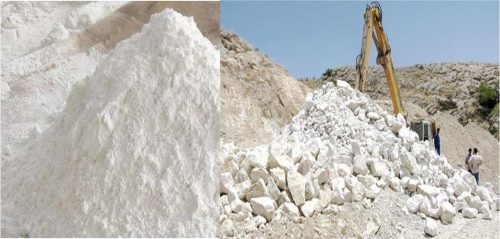
In oil and gas drilling, barite is essential for maintaining the balance between formation pressure and drilling fluid hydrostatic pressure. Improper weighting can result in well control problems, costly non-productive time, or even environmental hazards.
Key roles of barite in oil and gas drilling include:
- Weighting Agent: Maintains necessary hydrostatic pressure.
- Filtration Control: Reduces fluid loss into permeable formations.
- Hole Cleaning: Suspends drill cuttings and facilitates their removal from the wellbore.
- Temperature Stability: Maintains performance in high-temperature wells.
Barite Powder Uses Beyond Drilling
While drilling is the primary application, barite powder has several other industrial uses:
- Paint and coatings: Acts as a pigment and filler due to its whiteness and density.
- Rubber and plastics: Improves durability and chemical resistance.
- Radiation shielding: Due to high density, it protects against X-rays and gamma rays.
- Medical applications: Used as a contrast agent in radiography.
Barite Powder for Oil Drilling
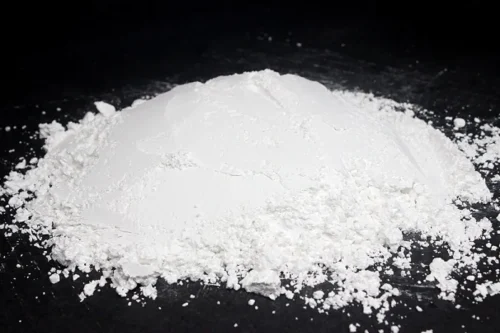
The quality of barite used in oil drilling is critical. Drilling grade barite must meet strict specifications, including:
- Specific gravity: ≥4.2 g/cm³
- Particle size: 95% of particles passing through a 200-mesh screen
- Low contaminants: Minimal insoluble materials to prevent equipment scaling
- Chemical inertness: No adverse reactions with drilling fluid additives
Selecting high-quality barite ensures:
- Improved wellbore stability
- Reduced mud maintenance costs
- Efficient suspension and transport of drill cuttings
Drilling Grade Barite
Drilling grade barite is the benchmark for high-performance drilling operations. Its specifications ensure that mud systems achieve the desired density without compromising fluid properties. Common grading standards include API (American Petroleum Institute) and ISO certifications, which regulate particle size, specific gravity, and purity.
Application Considerations
- Storage: Keep barite in dry, covered areas to prevent moisture absorption.
- Handling: Use appropriate personal protective equipment (PPE) to avoid inhalation of fine dust.
- Mixing: Gradually add to mud tanks while stirring to prevent clumping.
- Quality Control: Regularly test for specific gravity and particle size distribution.
Advantages of Using Drilling Barite
- High density and chemical inertness
- Enhances wellbore stability
- Reduces drilling fluid loss
- Compatible with a variety of drilling fluids
- Economical and widely available
Potential Disadvantages
- Can settle in mud pits if not properly dispersed
- Sensitivity to high salinity or hardness water without proper treatment
- Handling of fine dust requires safety precautions
- Limited effectiveness in extremely high-temperature wells without additives
5 Secrets for Safer Operations with Drilling Barite
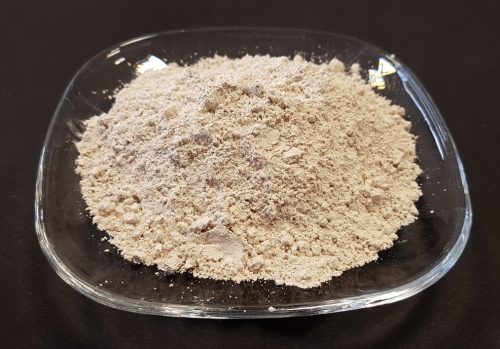
1. Always Verify API 13A Compliance — Never Assume
Many operational failures begin with non-compliant barite entering the mud system.
Even small deviations in specific gravity or particle size can lead to poor pressure control.
Best practice:
✔ Demand a recent API 13A test report for every shipment
✔ Re-test density and PSD on-site before use
Safety impact:
Reduces the risk of kicks, blowouts, and unstable hydrostatic pressure.
2. Control Particle Size to Prevent Sag and Pipe Sticking
Inconsistent barite particle size can cause barite sag, leading to uneven mud density and stuck pipe incidents.
Best practice:
✔ Ensure ≥95% passes 200-mesh
✔ Avoid mixing barite from different suppliers without compatibility tests
Safety impact:
Maintains uniform mud weight and prevents downhole pressure fluctuations.
3. Add Barite Slowly — High-Speed Mixing Is Not Optional
Rapid or improper addition creates agglomeration (fish eyes), reducing effective density and damaging pumps.
Best practice:
✔ Add barite gradually through a high-shear hopper
✔ Maintain proper agitation during and after addition
Safety impact:
Prevents localized high-density zones and equipment stress.
4. Monitor Mud Density Continuously — Not Periodically
Relying on scheduled checks can allow dangerous density changes to go unnoticed, especially in deep or HPHT wells.
Best practice:
✔ Use real-time mud weight monitoring
✔ Cross-check surface and downhole density regularly
Safety impact:
Early detection of density loss or gain prevents well control incidents.
5. Train Crews on Barite Handling & Dust Control
Barite is non-toxic, but fine dust inhalation and improper handling still pose safety risks.
Best practice:
✔ Use PPE (dust masks, goggles, gloves)
✔ Implement enclosed transfer systems where possible
✔ Store barite in dry, covered areas
Safety impact:
Protects worker health and reduces long-term exposure risks.
Barite for Sale
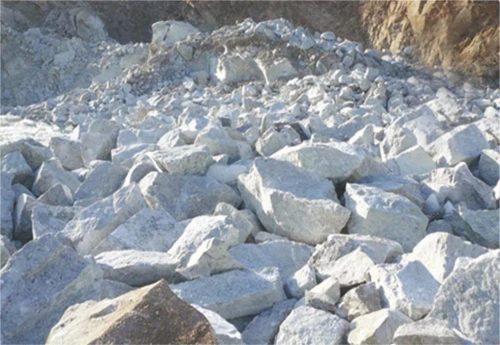
Minorax stands out as a trusted global reference for sourcing high-quality drilling barite, serving oil and gas projects across international markets with consistent, certified, and performance-driven products. With strict quality control aligned with API 13A and international standards, Minorax ensures reliable specific gravity, optimized particle size distribution, and dependable supply for safe and efficient drilling operations. Backed by technical expertise, flexible logistics, and customer-focused service, Minorax is the partner of choice for drilling contractors and procurement professionals who refuse to compromise on quality or safety. Contact Minorax today to request specifications, or a competitive quote—and secure a dependable supply of drilling-grade barite for your next project.
Summary
Drilling barite is a versatile and essential component in modern drilling operations. Its high density, chemical stability, and compatibility with drilling fluids make it invaluable for maintaining wellbore stability, controlling formation pressures, and improving overall drilling efficiency. Beyond drilling, barite’s applications in industrial, medical, and protective materials underscore its multifunctional nature.
FAQs
1. What is the ideal particle size for drilling barite powder?
Typically, 95% of the powder should pass through a 200-mesh screen to ensure proper suspension.
2. Can barite be reused in drilling operations?
Yes, after proper cleaning and testing, barite can be recycled, reducing costs and environmental impact.
3. What safety precautions are necessary when handling barite powder?
Use dust masks, gloves, and protective eyewear to prevent inhalation and skin irritation.