
Drilling Bentonite: Complete Guide to Uses, Benefits, Specifications & Applications
July 12, 2026
White Barite Powder | High Purity Manufacturer, Global Supplier & Industrial Applications
July 16, 2026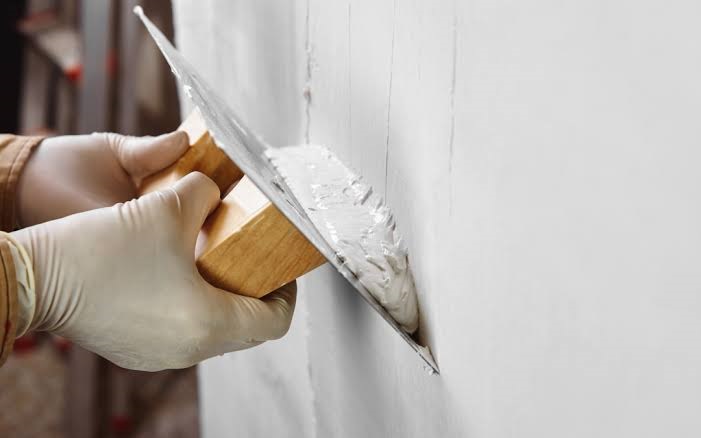
In today’s construction, manufacturing, and industrial markets, material quality plays a crucial role in product performance. One advanced material that has gained significant attention in recent years is Micronized Gypsum. Thanks to its extremely fine particle size, high purity, and improved performance characteristics, micronized gypsum has become an essential ingredient in many industries, including construction, agriculture, ceramics, paints, plastics, and specialty manufacturing.
Gypsum has been used for centuries as a natural mineral with excellent binding and finishing properties. However, traditional gypsum powders often have limitations when high precision, smooth texture, and enhanced performance are required. This is where micronized gypsum powder provides a superior solution.
Micronized gypsum is a finely processed form of gypsum (calcium sulfate dihydrate) that is ground into extremely small particles, allowing it to deliver better dispersion, faster reaction, improved surface quality, and greater consistency compared with conventional gypsum products.
This complete guide explores what micronized gypsum is, how it is produced, its benefits, and its most important industrial applications.
What Is Micronized Gypsum?
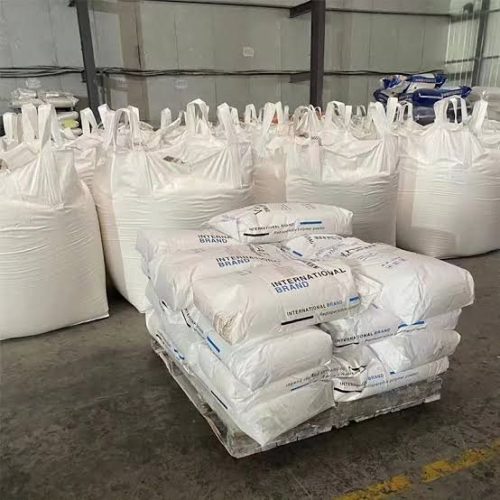
Micronized gypsum is a high-quality gypsum powder that has undergone advanced grinding and classification processes to achieve a very fine particle size, usually measured in microns.
The term “micronized” refers to the reduction of mineral particles into extremely small sizes, often below traditional powder levels. This process increases the surface area of gypsum particles, improving their interaction with other materials.
The chemical composition of micronized gypsum is primarily:
Calcium Sulfate Dihydrate (CaSO₄·2H₂O)
Depending on its intended application, micronized gypsum may be processed to achieve different levels of purity, whiteness, particle size distribution, and moisture content.
Unlike ordinary gypsum powder, micronized gypsum offers:
- Finer texture
- Better mixing performance
- Improved surface finish
- Higher consistency
- Enhanced compatibility with additives
- More efficient industrial processing
These properties make it suitable for applications where standard gypsum cannot deliver the required performance.
How Is Micronized Gypsum Produced?
The production of high-quality micronized gypsum involves several controlled steps to ensure consistent quality.
1. Mining and Selection of Raw Gypsum
The process begins with the extraction of natural gypsum rock from carefully selected mines. The quality of raw gypsum directly affects the final product.
Manufacturers typically evaluate:
- Gypsum purity
- Calcium sulfate content
- Moisture level
- Mineral impurities
- Color and brightness
High-purity gypsum is preferred for industries requiring premium performance.
2. Crushing and Initial Processing
After extraction, large gypsum rocks are crushed into smaller pieces. This makes the material suitable for further processing and improves grinding efficiency.
3. Fine Grinding and Micronization
The crushed gypsum enters specialized grinding equipment where it is processed into extremely fine particles.
Advanced milling technologies help achieve:
- Controlled particle size
- Uniform powder distribution
- Improved flow characteristics
- Higher product consistency
The micronization stage is the key difference between conventional gypsum powder and micronized gypsum.
4. Classification and Quality Control
After grinding, the powder passes through classification systems that separate particles according to size.
Quality control tests may include:
- Particle size analysis
- Chemical composition testing
- Moisture measurement
- Whiteness evaluation
- Setting time analysis
This ensures that the final micronized gypsum meets industry requirements.
Key Properties of Micronized Gypsum

The popularity of micronized gypsum powder comes from its unique physical and chemical properties.
1. Extremely Fine Particle Size
The most important characteristic of micronized gypsum is its fine particle structure.
Smaller particles provide:
- Better dispersion
- Smoother surfaces
- Improved blending with other materials
- More uniform product quality
2. High Purity
Premium micronized gypsum contains a high percentage of calcium sulfate with minimal impurities.
High purity is especially important in:
- Pharmaceutical applications
- Food-related industries
- Specialty manufacturing
- High-performance construction products
3. Excellent Whiteness and Appearance
Many industries require materials with attractive visual properties. Micronized gypsum often provides excellent whiteness, making it valuable in decorative and finishing applications.
4. Improved Reactivity
Because micronized particles have a larger surface area, they can interact more efficiently with water and other components.
This improves:
- Setting performance
- Binding ability
- Processing efficiency
Applications of Micronized Gypsum

Micronized gypsum is used across multiple industries due to its versatility and technical advantages.
1. Construction Industry
The construction sector is one of the largest consumers of gypsum products. Micronized gypsum is widely used in the production of:
- Plaster materials
- Drywall compounds
- Joint fillers
- Decorative coatings
- Cement additives
- Surface finishing products
Its fine particle size allows manufacturers to create smoother and more durable construction materials.
Why Construction Companies Prefer Micronized Gypsum
Compared with standard gypsum powder, micronized gypsum can provide:
- Better workability
- Improved surface appearance
- Reduced imperfections
- More consistent results
For modern construction projects where finishing quality is important, micronized gypsum is becoming increasingly valuable.
2. Paints and Coatings Industry
Micronized gypsum is also used as a functional mineral filler in paints and coatings.
It can improve:
- Paint texture
- Opacity
- Surface smoothness
- Stability
- Cost efficiency
Because of its fine particle size, it blends effectively with coating formulations and helps create a uniform finish.
In premium paints, mineral fillers such as micronized gypsum contribute to better application performance and improved visual appearance.
3. Plastics and Polymer Industry
The plastics industry uses mineral fillers to improve product characteristics and reduce production costs.
Micronized gypsum can act as a filler that enhances:
- Mechanical strength
- Dimensional stability
- Surface quality
- Processing performance
It is used in certain plastic products where mineral reinforcement is required.
4. Ceramic Industry
Ceramic manufacturers use gypsum-based materials because of their ability to provide controlled shaping and finishing properties.
Micronized gypsum can be used in:
- Ceramic molds
- Casting applications
- Specialty ceramic production
Its fine structure helps manufacturers achieve accurate details and smooth surfaces.
5. Agriculture Applications
Gypsum is a valuable agricultural mineral because it provides calcium and sulfur, two important nutrients for soil improvement.
Micronized gypsum can offer advantages such as:
- Faster soil interaction
- Improved nutrient availability
- Better soil structure
It may be used in soil amendment programs, especially in areas affected by soil compaction or poor structure.
Benefits of Using Micronized Gypsum
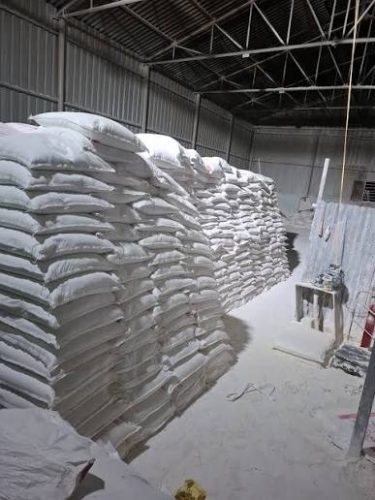
The growing demand for micronized gypsum is driven by the many advantages it offers over conventional gypsum powder. Its refined particle size and enhanced physical properties make it an ideal material for manufacturers seeking higher-quality products and improved production efficiency.
1. Superior Surface Finish
One of the most noticeable benefits of micronized gypsum is the exceptionally smooth finish it provides. Because the particles are much smaller and more uniform, they create a more consistent surface with fewer imperfections.
This makes micronized gypsum particularly valuable for:
- Decorative plaster
- Interior wall finishes
- High-end gypsum boards
- Architectural moldings
- Premium construction materials
2. Better Mixing Performance
Fine particles disperse more evenly when combined with water or other raw materials. This results in:
- Homogeneous mixtures
- Reduced clumping
- Easier processing
- More consistent product quality
Manufacturers often experience fewer production defects thanks to improved material consistency.
3. Increased Production Efficiency
Micronized gypsum contributes to faster and more reliable manufacturing processes.
Its uniform particle size allows:
- Better flowability
- More efficient batching
- Reduced material waste
- Improved production control
These factors help manufacturers lower operating costs while maintaining product quality.
4. Enhanced Mechanical Properties
In many industrial formulations, micronized gypsum contributes to improved physical performance by enhancing:
- Surface hardness
- Dimensional stability
- Crack resistance
- Product durability
While results vary depending on the formulation, its fine particle distribution generally supports stronger and more consistent end products.
5. Cost-Effective Performance
Although micronized gypsum may have a higher processing cost than standard gypsum, it often reduces overall production expenses by:
- Minimizing waste
- Improving manufacturing efficiency
- Reducing product defects
- Lowering maintenance costs
- Enhancing product consistency
For many manufacturers, these benefits outweigh the initial investment.
Micronized Gypsum vs. Regular Gypsum
Understanding the differences between micronized gypsum and conventional gypsum powder can help businesses choose the right material for their specific applications.
| Feature | Micronized Gypsum | Regular Gypsum |
|---|---|---|
| Particle Size | Extremely fine | Coarser |
| Surface Finish | Excellent | Standard |
| Mixing Ability | Superior | Moderate |
| Product Uniformity | High | Medium |
| Industrial Applications | Advanced | General |
| Processing Efficiency | High | Average |
| Precision Applications | Excellent | Limited |
While regular gypsum remains suitable for many basic construction tasks, micronized gypsum is preferred whenever higher precision, smoother finishes, and improved product performance are required.
Industries That Rely on Micronized Gypsum
Micronized gypsum has become an important raw material across numerous industries due to its versatility.
Major industries include:
- Construction
- Building materials
- Paint and coatings
- Cement production
- Ceramics
- Agriculture
- Plastic manufacturing
- Rubber industry
- Paper manufacturing
- Decorative products
- Mold production
- Chemical manufacturing
As industrial quality standards continue to improve, demand for fine mineral powders like micronized gypsum is expected to grow.
How to Choose High-Quality Micronized Gypsum
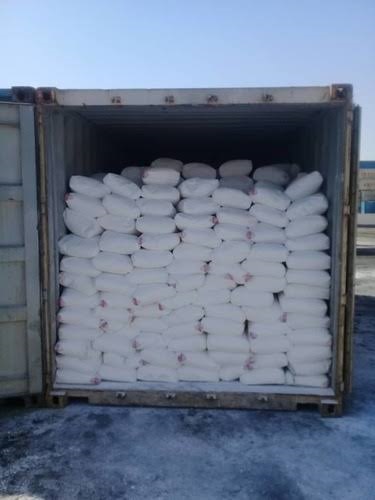
Not all micronized gypsum products offer the same level of quality. Before purchasing, buyers should consider several important factors.
Purity
High-quality gypsum should contain a high percentage of calcium sulfate with minimal impurities.
Particle Size Distribution
Consistent particle size ensures better processing and predictable performance.
Manufacturers often specify particle size using mesh size or micron measurements.
Whiteness
For decorative and architectural applications, higher whiteness is often desirable.
Moisture Content
Lower moisture improves storage stability and prevents unwanted caking.
Supplier Reliability
Choose suppliers that provide:
- Technical specifications
- Laboratory analysis
- Quality certifications
- Consistent product availability
- Reliable customer support
Working with experienced manufacturers helps ensure long-term product consistency.
Storage and Handling Tips
Proper storage is essential for maintaining the quality of micronized gypsum.
Recommended practices include:
- Store in dry, covered areas.
- Protect from moisture and humidity.
- Keep bags sealed until use.
- Avoid direct contact with water.
- Rotate inventory using the first-in, first-out (FIFO) method.
- Handle carefully to minimize dust generation.
Following these recommendations helps preserve product performance during storage and transportation.
Environmental Advantages of Micronized Gypsum
Many industries are seeking more sustainable raw materials, and gypsum offers several environmental benefits.
Micronized gypsum can contribute to sustainability by:
- Reducing material waste through improved processing efficiency.
- Supporting energy-efficient manufacturing due to easier dispersion and mixing.
- Being a naturally occurring mineral that can often be recycled in specific industrial applications.
- Helping improve soil quality in agricultural use, reducing the need for some synthetic soil amendments.
When sourced responsibly and used efficiently, micronized gypsum can play a role in more environmentally conscious production processes.
Future Trends in Micronized Gypsum
The market for micronized gypsum is expected to continue growing as industries demand higher-quality mineral fillers and construction materials.
Several trends are shaping its future:
- Increasing use in lightweight building materials
- Growth of sustainable construction practices
- Higher demand for premium interior finishing products
- Expansion of advanced ceramic manufacturing
- Greater use in specialty industrial formulations
- Continued improvements in grinding and micronization technology
These developments are likely to increase both the performance and accessibility of micronized gypsum in the coming years.
Conclusion
Micronized gypsum has become an indispensable material across a wide range of industries thanks to its exceptional fineness, high purity, and versatile performance. Compared with conventional gypsum powder, it delivers smoother finishes, improved workability, better mixing characteristics, and greater consistency in manufacturing processes.
Whether it is used in construction, agriculture, ceramics, paints, plastics, or industrial production, micronized gypsum offers practical advantages that help improve product quality and operational efficiency.
As technology continues to evolve and demand for high-performance materials increases, micronized gypsum is expected to remain a valuable solution for manufacturers seeking reliable, cost-effective, and sustainable mineral products.
Choosing a trusted supplier, verifying product specifications, and selecting the appropriate particle size for your application are key steps toward maximizing the benefits of this versatile material.
FAQ
1- Is micronized gypsum environmentally friendly?
Yes. As a naturally occurring mineral, gypsum is generally considered environmentally friendly. It can also support sustainable manufacturing by improving production efficiency and reducing material waste.
2- What factors should I consider when buying micronized gypsum?
Look for high purity, consistent particle size, low moisture content, high whiteness (if required), technical certifications, and a reputable supplier with reliable quality control.