

Spray Gypsum Plaster | High-Performance Machine Applied Plaster
July 19, 2026
What Is Bleaching Earth?
Bleaching Earth is a highly effective adsorbent clay used in the refining of edible and industrial oils to remove pigments, impurities, oxidation products, soaps, phospholipids, and trace metals. It plays a critical role in producing clear, stable, and high-quality oils by improving color, purity, and shelf life without altering the oil’s essential composition.
Although often referred to as Bleaching Clay, Activated Bleaching Earth, or Oil Refining Clay, the product generally consists of naturally occurring clay minerals—primarily montmorillonite-rich bentonite—that have been processed to enhance their adsorption capacity. Depending on the intended application, Bleaching Earth may be supplied in natural or activated grades.
Today, Bleaching Earth is widely used in the refining of soybean oil, sunflower oil, palm oil, canola oil, cottonseed oil, rice bran oil, fish oil, and many industrial lubricants. As global demand for premium-quality oils continues to grow, selecting the right bleaching clay has become an essential part of efficient refining operations.
Why Is Bleaching Earth Important in Oil Refining?
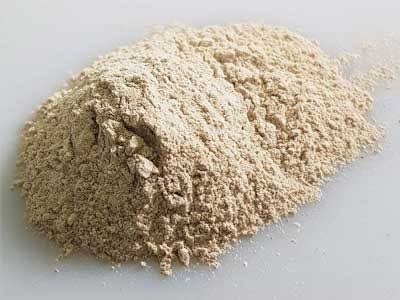
The bleaching stage is one of the most important steps in the oil refining process. Even after degumming and neutralization, crude oils still contain undesirable compounds that affect appearance, flavor stability, and storage performance.
These impurities may include:
- Chlorophyll
- Carotenoids
- Residual soaps
- Phospholipids
- Oxidized compounds
- Trace metals such as iron and copper
- Peroxides
- Minor contaminants
If these substances remain in the oil, they can accelerate oxidation, shorten shelf life, reduce product quality, and negatively affect consumer acceptance.
Bleaching Earth acts as a selective adsorbent. During the bleaching process, its porous structure captures unwanted molecules while leaving the desirable components of the oil largely unaffected. After sufficient contact time, the spent clay is removed through filtration, producing a cleaner and brighter oil ready for deodorization or further processing.
How Does Bleaching Earth Work?
The effectiveness of Bleaching Earth is based on adsorption, not absorption.
Adsorption is a surface phenomenon in which impurities attach themselves to the surface of microscopic clay particles. Because Bleaching Earth possesses an extremely high internal surface area, millions of active adsorption sites are available to capture contaminants from the oil.
When mixed with heated oil under vacuum conditions, the clay attracts and retains undesirable compounds such as pigments, oxidation products, and trace metals. The contaminated clay is then separated using industrial filtration equipment.
The efficiency of this process depends on several factors, including:
- Oil quality
- Processing temperature
- Contact time
- Clay dosage
- Vacuum conditions
- Mixing efficiency
- Filtration performance
Optimizing these parameters can significantly improve refining efficiency while reducing clay consumption.
Manufacturing Process of Bleaching Earth
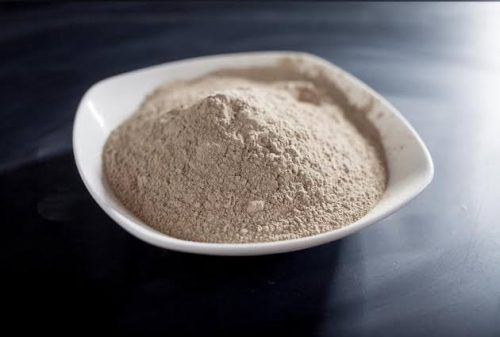
High-performance Bleaching Earth is not simply mined and packaged. It undergoes a carefully controlled manufacturing process designed to maximize adsorption efficiency and maintain consistent product quality.
1. Raw Material Selection
Production begins with carefully selected bentonite deposits rich in montmorillonite clay. The mineral composition of the raw material directly influences adsorption capacity and overall refining performance.
High-purity clay provides better consistency, higher surface area, and improved impurity removal.
2. Crushing and Grinding
The extracted clay is crushed and milled into uniform particle sizes. Proper particle distribution ensures efficient contact between the clay and oil while maintaining good filtration characteristics.
3. Activation Process
Many commercial products undergo an activation process that modifies the clay structure and significantly increases its adsorption capacity.
Activation creates additional microscopic pores and expands the available surface area, allowing the clay to remove larger amounts of pigments and contaminants.
The activation process is carefully controlled because excessive treatment may weaken the clay structure, while insufficient treatment can reduce bleaching efficiency.
4. Drying and Quality Control
After processing, the material is dried under controlled conditions to achieve the desired moisture level.
Each production batch is typically tested for critical quality parameters before packaging.
5. Packaging
Bleaching Earth is commonly supplied in:
- 25 kg bags
- 500 kg jumbo bags
- 1000 kg bulk bags
- Customized industrial packaging
Proper packaging protects the material from moisture contamination during transportation and storage.
Types of Bleaching Earth
Different refining processes require different grades of bleaching clay. Selecting the correct product depends on oil type, processing conditions, and desired product quality.
Natural Bleaching Earth
Natural Bleaching Earth is processed with minimal chemical modification. While its adsorption capacity is generally lower than activated grades, it is suitable for certain applications where mild treatment is preferred.
Advantages include:
- Lower acidity
- Economical cost
- Suitable for selected refining applications
Activated Bleaching Earth
Activated Bleaching Earth is the most widely used grade in edible oil refining.
It offers:
- Higher adsorption capacity
- Better color removal
- Improved phospholipid adsorption
- Enhanced removal of oxidation products
- Greater refining efficiency
Because of its superior performance, activated grades are commonly used in modern vegetable oil refineries.
Food Grade Bleaching Earth
Food-grade products are manufactured specifically for edible oil processing.
They are designed to meet quality requirements for refining oils intended for human consumption.
Industrial Bleaching Earth
Industrial grades are used in applications beyond edible oils, including:
- Mineral oils
- Lubricating oils
- Waxes
- Biodiesel production
- Various chemical processes
These products are formulated according to the specific requirements of industrial refining operations.
Major Applications of Bleaching Earth
One of the biggest advantages of Bleaching Earth is its versatility.
Today, it is used across a wide range of industries.
Edible Vegetable Oil Refining
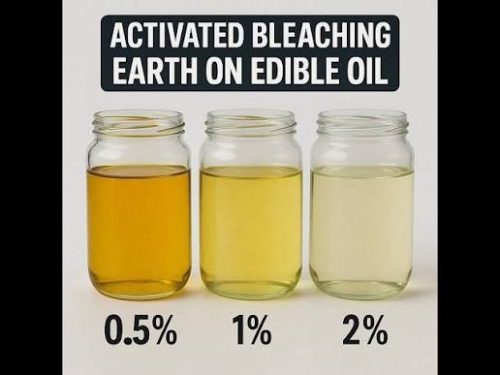
The largest application is the purification of vegetable oils such as:
- Soybean Oil
- Sunflower Oil
- Palm Oil
- Canola Oil
- Cottonseed Oil
- Corn Oil
- Rice Bran Oil
Its primary objective is to remove pigments and impurities while improving oil clarity and stability.
Palm Oil Refining
Palm oil naturally contains high levels of carotenoids, making bleaching a critical processing step.
Selecting the appropriate Bleaching Earth can significantly improve final oil color while minimizing oil loss.
Fish Oil Refining
Fish oils require careful purification to improve appearance and remove oxidation products without damaging sensitive fatty acids.
Specialized bleaching clays are often used for this purpose.
Industrial Oil Processing
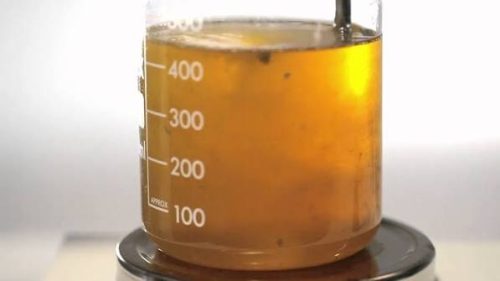
Bleaching Earth is also used to purify industrial oils, lubricants, transformer oils, and specialty oils where color improvement and contaminant removal are required.
Physical and Chemical Properties of Bleaching Earth
The performance of Bleaching Earth is determined by more than its appearance or origin. Its effectiveness depends on a combination of mineral composition, surface characteristics, and manufacturing quality. For this reason, industrial buyers should always evaluate technical properties rather than selecting a product based solely on price.
Some of the most important properties include:
High Adsorption Capacity
Adsorption capacity is one of the key indicators of bleaching performance. A high-quality Bleaching Earth efficiently removes pigments, oxidation products, phospholipids, and trace contaminants while minimizing clay consumption.
Large Surface Area
Bleaching Earth contains millions of microscopic pores that create an exceptionally large internal surface area. The greater the available surface, the more adsorption sites are available for impurities.
Controlled Particle Size
Particle size influences both bleaching efficiency and filtration performance. Extremely fine particles may slow filtration, while oversized particles reduce contact with the oil. Manufacturers therefore optimize particle size for industrial refining systems.
Moisture Content
Moisture should remain within recommended limits. Excess moisture may reduce adsorption efficiency and increase handling problems during storage.
Bulk Density
Bulk density affects transportation, storage efficiency, and dosing systems within refineries.
Mineral Composition
Most commercial Bleaching Earth products are based on montmorillonite clay, which provides excellent adsorption characteristics after proper processing.
Typical Technical Specifications
Although specifications vary between manufacturers and product grades, industrial buyers commonly evaluate the following parameters:
| Property | Typical Importance |
|---|---|
| Moisture Content | Storage stability |
| Particle Size Distribution | Filtration efficiency |
| Bulk Density | Handling and dosing |
| Surface Area | Adsorption performance |
| pH | Process compatibility |
| Oil Retention | Refining efficiency |
| Adsorption Capacity | Pigment removal |
| Mineral Purity | Product consistency |
Instead of comparing products based on a single specification, it is advisable to evaluate overall refining performance through laboratory or production trials.
Benefits of High-Quality Bleaching Earth
Selecting premium Bleaching Earth can improve both product quality and process economics.
Improved Oil Color
Efficient pigment removal produces brighter and clearer refined oils that meet commercial quality expectations.
Longer Shelf Life
By removing oxidation catalysts and trace metals, Bleaching Earth contributes to better oxidative stability, helping oils maintain their quality during storage.
Better Refining Efficiency
A properly selected bleaching clay can reduce refining losses while achieving the desired color with lower clay consumption.
Enhanced Filtration Performance
Well-manufactured Bleaching Earth forms stable filter cakes, improving filtration efficiency and reducing production downtime.
Lower Overall Production Costs
Although premium products may have a higher purchase price, they often reduce total operating costs by lowering dosage requirements and minimizing oil losses.
Factors Affecting Bleaching Performance
Even the highest-quality Bleaching Earth cannot perform optimally if refining conditions are not properly controlled.
Several operating parameters directly influence bleaching efficiency.
Oil Quality
Crude oils with higher impurity levels generally require greater clay dosage than cleaner feedstocks.
Bleaching Temperature
Most edible oil refining processes operate within carefully controlled temperature ranges to maximize adsorption without damaging oil quality.
Contact Time
Insufficient contact time may reduce pigment removal, while excessive mixing offers little additional benefit and may reduce process efficiency.
Vacuum Conditions
Vacuum bleaching minimizes oxidation during treatment and helps maintain oil quality.
Clay Dosage
Adding excessive Bleaching Earth increases refining costs and oil retention, while insufficient dosage may result in poor color removal.
Finding the optimum dosage through laboratory testing is generally the most economical approach.
Mixing Efficiency
Proper mixing ensures that all oil comes into contact with the adsorbent surface, maximizing bleaching performance.
How to Choose the Right Bleaching Earth
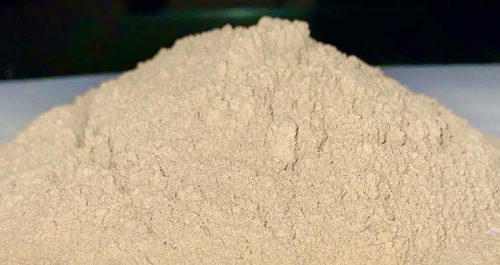
Selecting the right product requires understanding both the refining process and the characteristics of the oil being treated.
Consider the following factors before purchasing:
Type of Oil
Different oils contain different pigments and impurities.
For example:
- Palm oil contains high carotenoid levels.
- Soybean oil contains chlorophyll and phospholipids.
- Sunflower oil has different refining characteristics.
- Fish oil requires careful removal of oxidation products.
The most suitable Bleaching Earth may vary depending on the feedstock.
Desired Final Color
The required color specification influences both clay selection and dosage.
Production Capacity
Large continuous refineries often require products with highly consistent quality to maintain stable operating conditions.
Filtration Equipment
The characteristics of your filtration system should be considered when selecting particle size and clay grade.
Technical Documentation
Reliable suppliers should be able to provide documentation such as:
- Technical Data Sheet (TDS)
- Certificate of Analysis (COA), when applicable
- Safety Data Sheet (SDS)
These documents help buyers evaluate product suitability before large-volume purchases.
Common Mistakes When Selecting Bleaching Earth
Many buyers focus exclusively on purchase price without considering total refining costs.
Common mistakes include:
- Choosing the lowest-priced product without performance testing.
- Ignoring adsorption capacity.
- Purchasing without reviewing technical documentation.
- Using the same grade for different oil types.
- Skipping pilot or laboratory trials.
- Overlooking filtration performance.
- Failing to evaluate supply consistency.
A product with a lower purchase price may ultimately increase operating costs if higher consumption or greater oil retention offsets the initial savings.
Storage and Handling Recommendations
Proper storage helps maintain product quality throughout its shelf life.
Recommended practices include:
- Store in a cool, dry warehouse.
- Protect from moisture and rain.
- Keep bags sealed until use.
- Avoid direct contact with the floor by using pallets.
- Prevent contamination with chemicals or strong odors.
- Rotate inventory using a first-in, first-out (FIFO) system.
Proper storage preserves adsorption performance and minimizes material waste.
Why Choose MINORAX as Your Bleaching Earth Supplier?
Selecting the right Bleaching Earth supplier is just as important as selecting the right product. Consistent quality, reliable technical support, and dependable supply can significantly improve refining performance and reduce production risks.
MINORAX supplies high-quality Bleaching Earth for edible and industrial oil refining applications. By working with carefully selected mineral sources and implementing strict quality control procedures, MINORAX strives to deliver products with consistent performance across every shipment.
Customers working with MINORAX benefit from:
- Consistent product quality
- Reliable bulk supply for industrial buyers
- Technical documentation, including TDS and COA (when applicable)
- Professional assistance in selecting the appropriate grade for specific refining processes
- Export-ready packaging for international shipments
- Responsive customer support throughout the purchasing process
Whether you operate a vegetable oil refinery, an industrial oil processing plant, or an international trading company, choosing a reliable supplier helps ensure stable production and long-term operational efficiency.
Future Trends in Bleaching Earth Technology
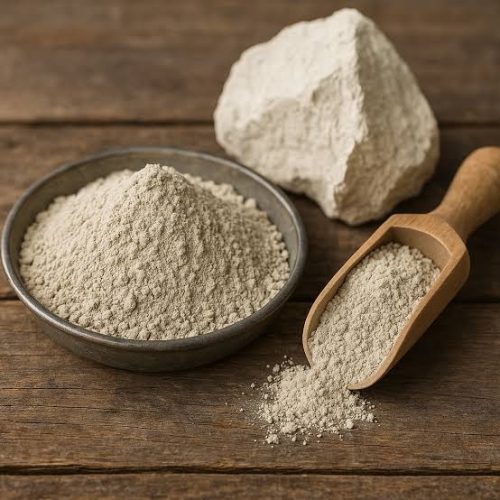
As the edible oil industry continues to evolve, demand for more efficient and sustainable refining materials is increasing.
Modern research focuses on developing Bleaching Earth products that provide:
- Higher adsorption efficiency
- Lower oil retention
- Improved filtration performance
- Reduced environmental impact
- Lower consumption rates
- Better compatibility with different vegetable oils
Manufacturers are also investing in advanced processing technologies to produce more consistent clay products while minimizing energy consumption during production.
These developments are expected to improve refining efficiency and support more sustainable oil processing worldwide.
Conclusion
Bleaching Earth remains one of the most important processing aids in edible and industrial oil refining. Its ability to remove pigments, oxidation products, phospholipids, soaps, and trace contaminants makes it essential for producing high-quality oils with improved appearance, stability, and shelf life.
However, not all bleaching clays perform the same. Factors such as mineral composition, adsorption capacity, particle size distribution, moisture content, and manufacturing quality all influence refining efficiency.
Rather than selecting a product solely based on price, industrial buyers should evaluate technical specifications, request product documentation, and whenever possible, conduct laboratory or pilot-scale testing before placing large orders.
Choosing the appropriate Bleaching Earth not only improves oil quality but can also reduce clay consumption, minimize oil loss, improve filtration performance, and lower overall production costs.
By partnering with an experienced supplier that provides consistent quality and technical support, refineries can achieve more reliable production results and long-term operational benefits.
FAQ
1. What is Bleaching Earth?
Bleaching Earth is a highly adsorptive clay used to remove pigments, phospholipids, soaps, oxidation products, and other impurities during edible and industrial oil refining.
2. Is Bleaching Earth the same as Bleaching Clay?
Yes. The terms Bleaching Earth and Bleaching Clay are commonly used interchangeably within the oil refining industry.
3. What is Activated Bleaching Earth?
Activated Bleaching Earth is clay that has been processed to increase its surface area and adsorption capacity, making it more effective for removing impurities from oils.